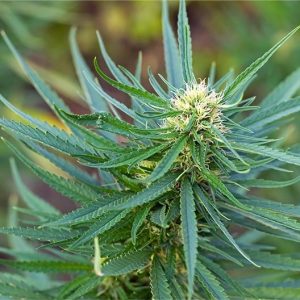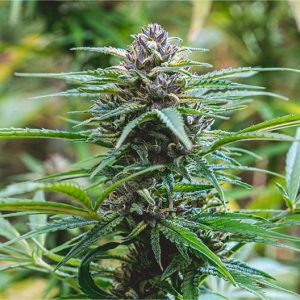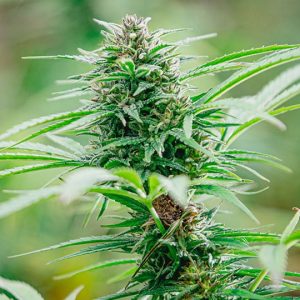
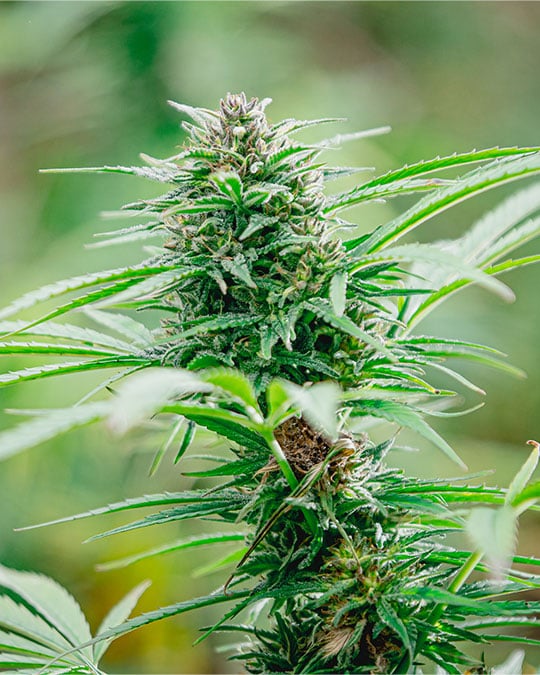

A Graceful Blend of Haze and Kush Influences
This strain combines opposing traits into a single, harmonious smoke. Bred from five separate parent strains, it merges the dense structure and grounding feel of OG Kush and LA Affie with the cerebral edge of Trainwreck and S.A.G.E.
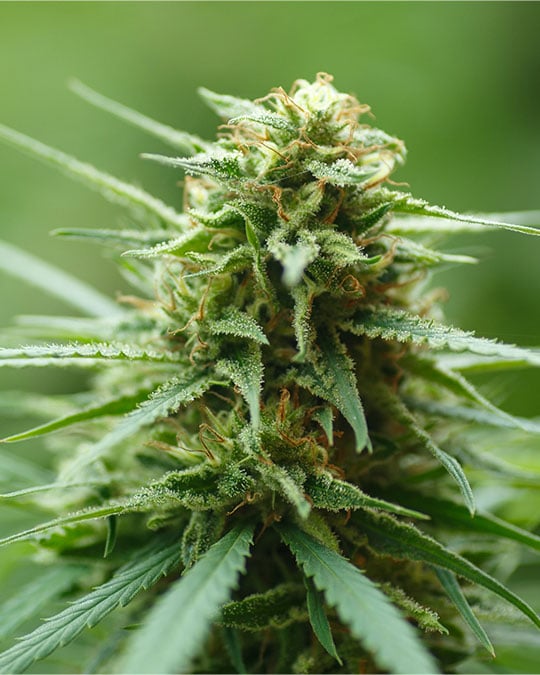
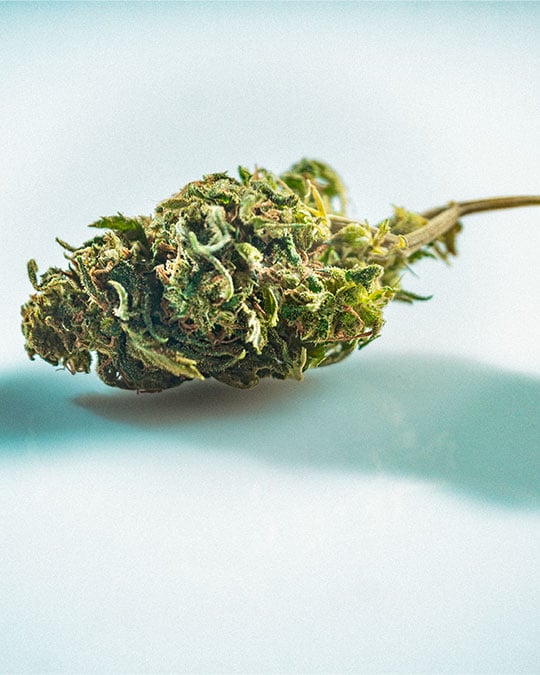
The result is a strain with robust, Kush-like buds and a clear, focused high. Hazy Kush’s aroma follows the same structure, producing bright, fruity pop and deeper fuel tones alike.
Lightly calming and highly euphoric, Hazy Kush doesn’t skimp on psychoactivity. Its immersive high is about what you’d expect from 29% THC levels. Its 60% sativa influence further contributes to this strain’s intensity, making for a mentally-focused experience. Lastly, its indica influence pulls everything together with calming, physical effects.
Fans also tend to praise Hazy Kush’s terpene profile. This strain has a dynamic interplay between sharp, berry-like notes and an earthy base, making Hazy Kush seeds a longtime fave among flavor-chasers.
Growing Tips for Our Seeds
While Hazy Kush tends to stretch like a haze plant, it also produces the heavier, resinous flowers seen in Kush strains. These traits should be managed differently, making this strain a good choice for intermediate growers. That said, if you’re a newer grower with your heart set on Puffinz, we’ve covered some key ways to inspire your plants to thrive—regardless of your skill level.
Manage early stretch
Hazy Kush can show noticeable upward growth early in the flowering stage thanks to its sativa-leaning parents. Lankier plants can cause spacing issues, but thankfully, growers can manage any challenges before they arrive by picking a growing space with plenty of vertical space. Ample amounts of light can also help curb excessive stretching—so make sure your light source is placed squarely in front of your crop.
Balance light intensity
Because Hazy Kush combines airy haze traits with denser Kush structure, light penetration plays a key role in ensuring all bud sites receive plenty of light. The upper sites can develop faster than the lower buds, so uneven light often leads to smaller or less developed lower flowers.
New growers can improve this by keeping the lighting centered and consistent. It can also be helpful to remove large fan leaves when they are clearly blocking the lower bud sites.
Monitor your plants’ aroma
Hazy Kush’s terpene profile becomes noticeably sharper in the mid-flowering stage. Its fruit-forward notes tend to intensify before its base notes. For new growers, this change in aroma is a useful indicator that resin production is increasing. If the scent of the buds is still developing, it’s a good sign that your plants are progressing normally. Maintaining stable environmental conditions at this stage also helps preserve terpene expression through to harvest.
Yields, Flowering Times, and Harvest
This strain’s flowering time usually lasts around 55-65 days. With proper care, this strain produces indoor yields of up to 500 grams per square meter. Outdoor growers will enjoy 700 grams per plant under stable conditions.
Dominant Terpenes in Hazy Kush
This strain’s dominant terpenes include limonene, myrcene, and terpinolene. The smoke produces light, citrus notes followed by an earthy, kush-like depth. Limonene adds sharper, pineapple elements, while myrcene is responsible for its soft, earthy depth.
Terpinolene introduces a hazy, floral edge and gives the overall taste a misty, herbal vibe. Together, these terpenes create a dynamic profile that shifts between tropical intensity and a hazy, clove-like base.
Dominant Cannabinoids in Hazy Kush
At 29% THC, Hazy Kush is a high-potency hybrid. THC levels in this range produce a strong psychoactive intensity that tends to engulf the senses. Many fans say the high turns up the volume on their sensory perceptions and produces a slowed-down perception of time. Because of its elevated THC concentration, a little goes a long way.